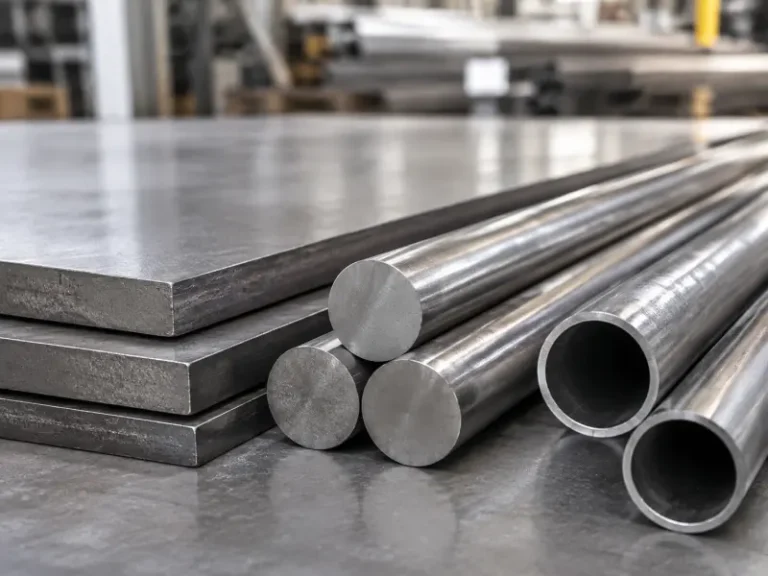
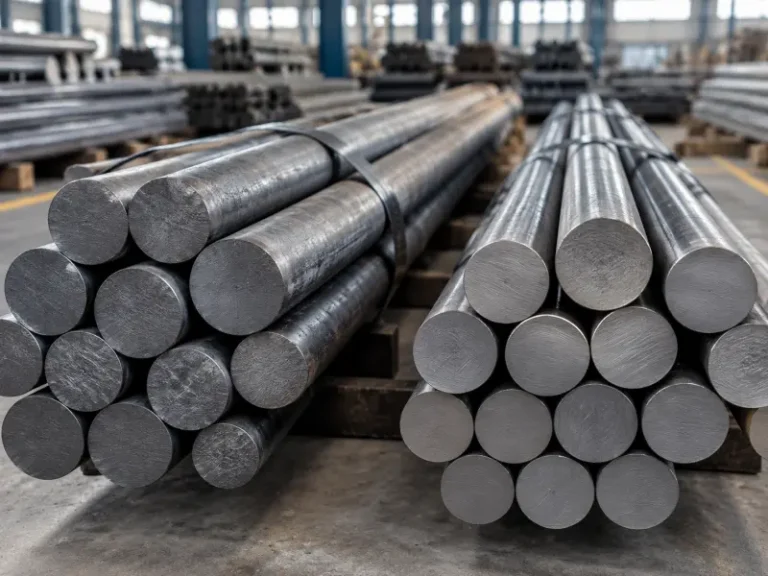
AISI 4140 steel is a chromium-molybdenum alloy steel valued for its strength, toughness, wear resistance, and hardenability. It is commonly used for shafts, gears, machinery components, automotive parts, and other
4130 vs 4140 steel is a common material comparison when selecting chromium-molybdenum alloy steel for mechanical components, welded structures, and industrial applications. The main differences lie in carbon content, hardenability,
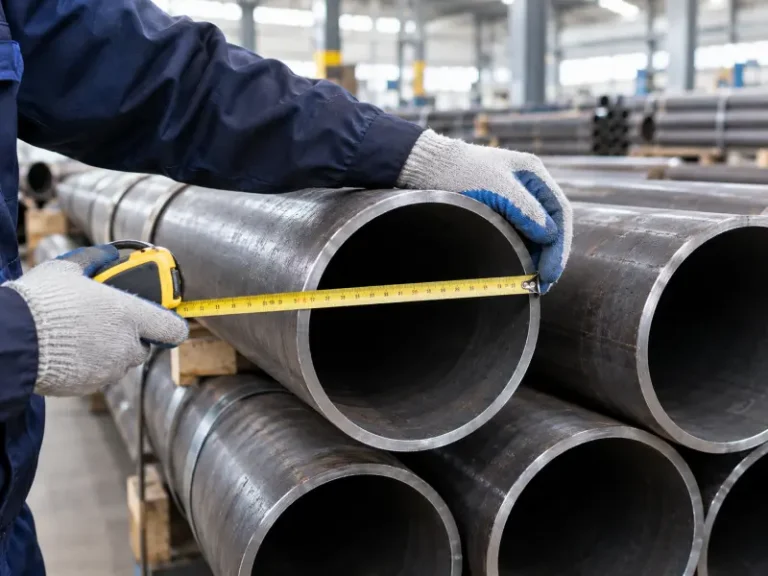
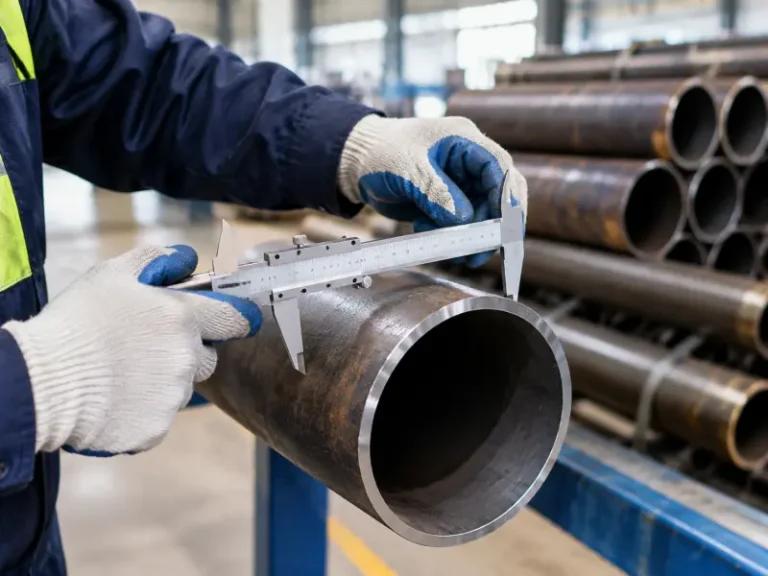
Calculate steel pipe weight by entering the outside diameter, wall thickness, pipe length, quantity, and material density. This steel pipe weight calculator estimates the weight per meter, per pipe, and
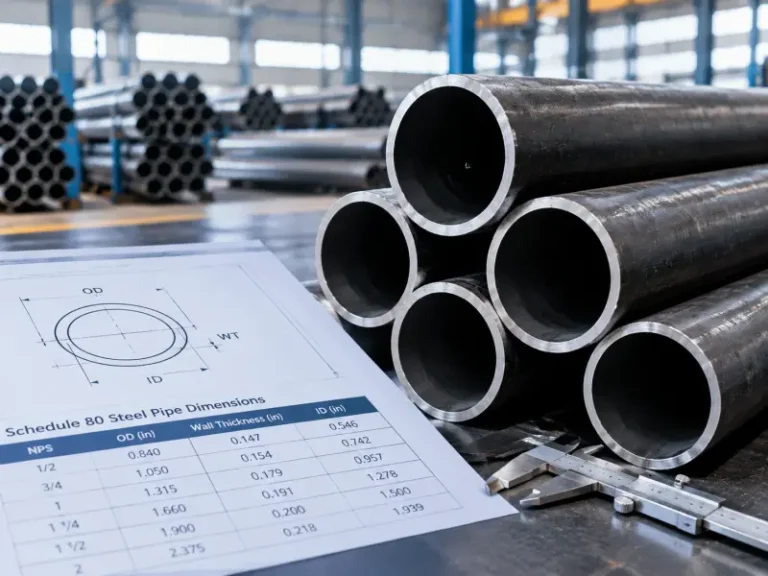
This Schedule 80 steel pipe dimensions chart lists standard pipe sizes from NPS 1/8 to NPS 24, including nominal pipe size (NPS), DN, outside diameter (OD), wall thickness and approximate
This Schedule 40 steel pipe dimensions chart provides common pipe sizes, outside diameters, wall thicknesses and calculated inside diameters in inches and millimeters. Use it to check Schedule 40 steel
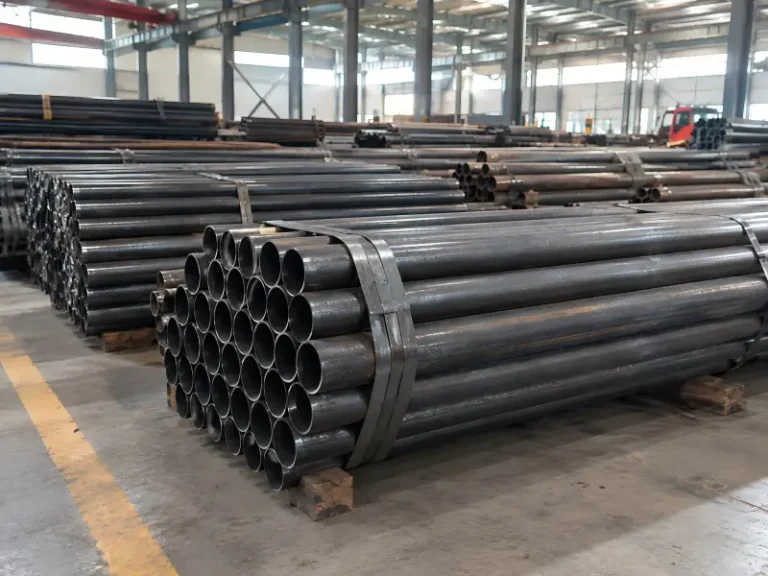
Use this steel pipe size chart to check common nominal pipe sizes, outside diameters and metric equivalents for steel pipe purchasing. It also explains how pipe schedule, wall thickness and
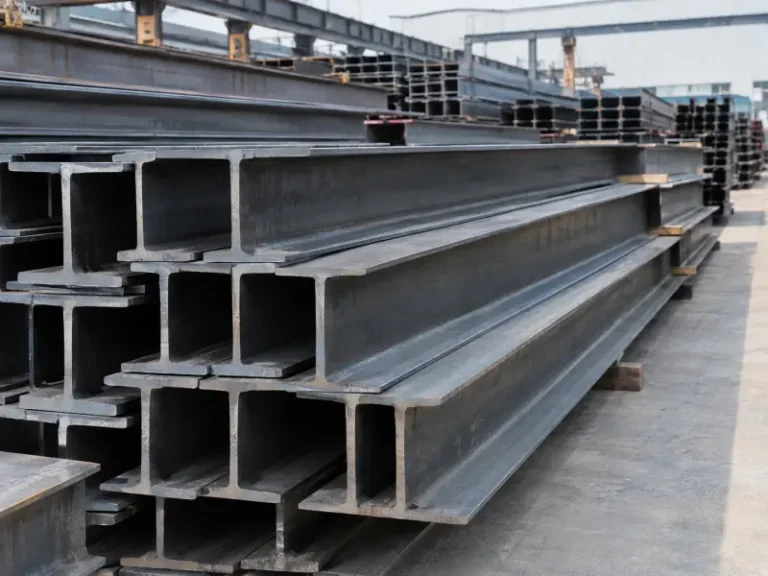
When comparing A992 vs A572 Grade 50 steel, both grades have a minimum yield strength of 50 ksi (345 MPa), but their requirements for mechanical properties and chemical composition differ.
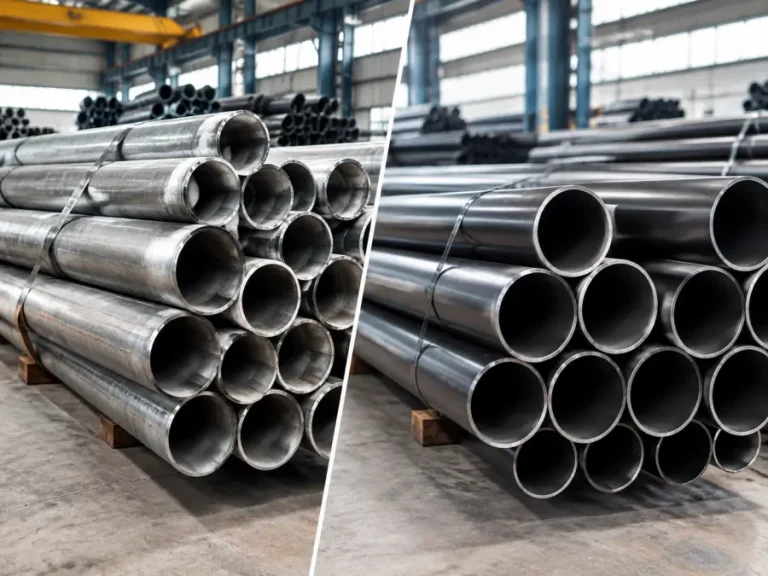
When purchasing carbon steel pipes, buyers often compare A53 vs A106 Pipe to determine which specification is suitable for their projects. Although both are ASTM carbon steel pipe standards, they
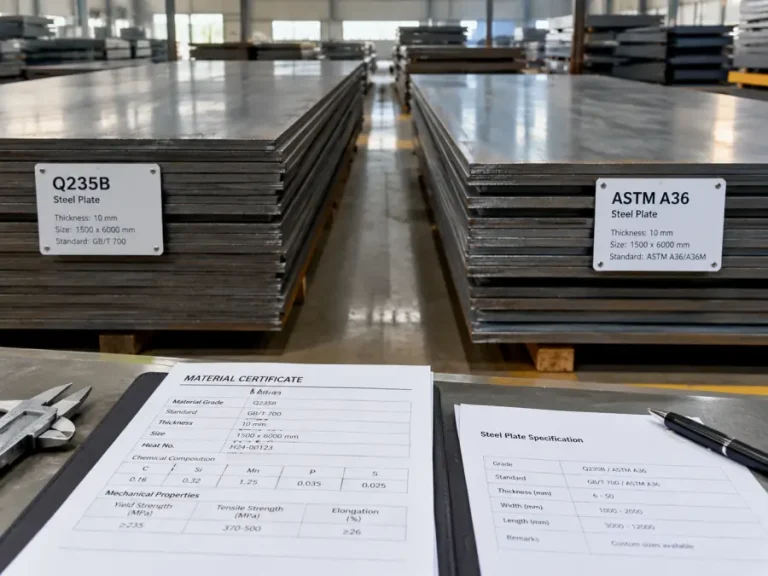
Q235B vs A36 steel is a common comparison for buyers sourcing carbon structural steel. Although both grades are widely used for structural fabrication and construction projects, they are produced according